Understanding Two Bold Styles of Japanese Ramen: Iekei(家系) and Jirōkei(次郎系)
 eigo1147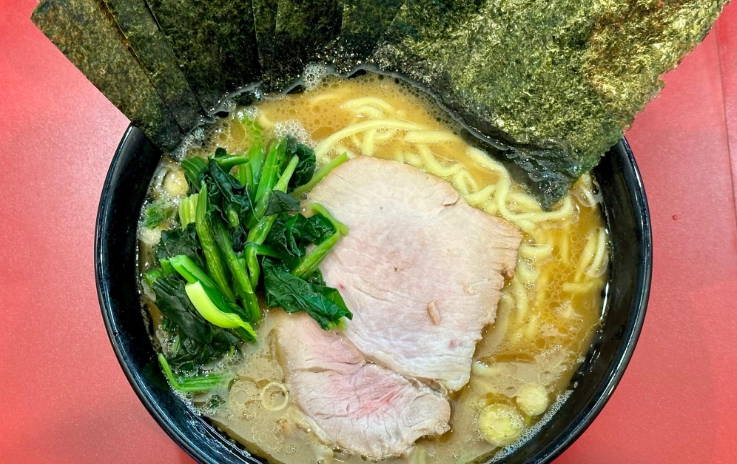
Japan is home to countless regional and specialty ramen styles, but two of the boldest and most recognizable are Iekei and Jirōkei.
Though both are known for their rich flavors and large portions, they each have a distinct identity and loyal fan base.
Iekei Ramen (家系ラーメン)
Iekei ramen originated in Yokohama in the 1970s.
The name "Iekei" literally means "house style," referring to the original shop called Yoshimuraya.
This ramen style combines elements of tonkotsu (pork bone) broth from Kyushu and shoyu (soy sauce) ramen from Tokyo.
The result is a thick, creamy pork-and-soy-based soup.
The noodles are typically thick and straight, and common toppings include chashu (braised pork belly), spinach, nori (seaweed), and a boiled egg.
Customers are often allowed to customize the noodle firmness, broth richness, and amount of oil.
Jirōkei Ramen (次郎系ラーメン)
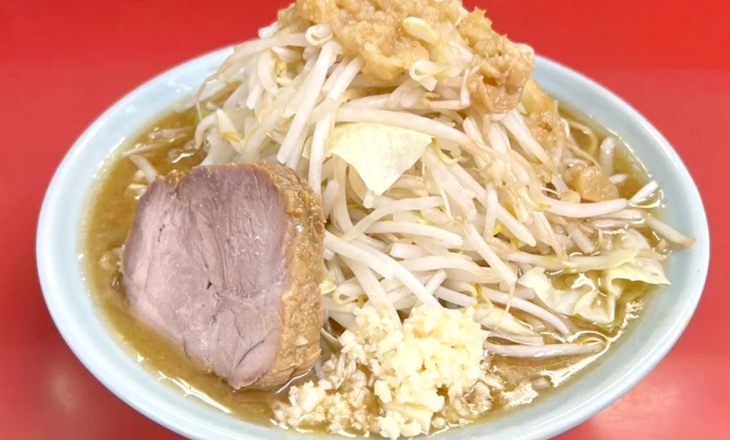
Jirōkei ramen is modeled after the legendary Ramen Jirō chain, which first opened in Tokyo in the 1960s.
It’s famous for its massive portions, ultra-thick noodles, and piles of toppings—especially cabbage, bean sprouts, garlic, and pork.
The broth is typically a fatty soy-based pork soup that’s very heavy and rich.
Eating Jirōkei ramen is sometimes seen as a challenge.
Regulars even develop their own ordering lingo to specify how much garlic, fat, and vegetables they want.
While both Iekei and Jirōkei offer bold and satisfying ramen experiences, they cater to different cravings—Iekei for a balanced richness with customization, and Jirōkei for an all-out flavor and volume explosion.