Republic of Rose Island: A Short-Lived Micronation
 eigo1147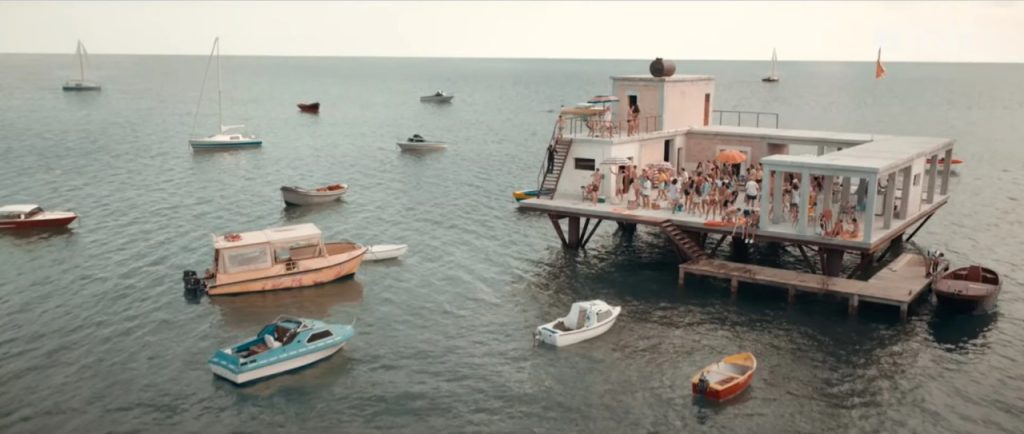
In 1968, Italian engineer Giorgio Rosa built an artificial platform in the Adriatic Sea, just outside Italy’s territorial waters near Rimini.
The structure, covering approximately 400 square meters, stood on nine steel pylons and was designed to support human habitation.
On May 1, 1968, Rosa declared the platform to be an independent state called the "Republic of Rose Island".
He appointed himself President and promoted the island as a symbol of freedom and independence from government control.
The Republic of Rose Island had several features of a sovereign state:
- A national flag
- A currency (called the "Mill")
- An official language (symbolically, Esperanto)
Although no country officially recognized Rose Island, it attracted public attention and media coverage.
The island was believed to have the potential to become a tourist attraction or a tax haven, which concerned the Italian government.
In response, the government viewed the project as a political and economic threat.
Authorities moved quickly: the Italian Navy occupied the platform in June 1968, and by February 1969, the structure was destroyed with explosives under government orders.
Though it lasted less than a year, the Republic of Rose Island became a symbol of individual resistance, creative freedom, and the desire for alternative ways of living.
※この文章は英語学習用です。This article is for English learning purposes.