San Francisco's Climate: Not Your Typical California Weather
 eigo1147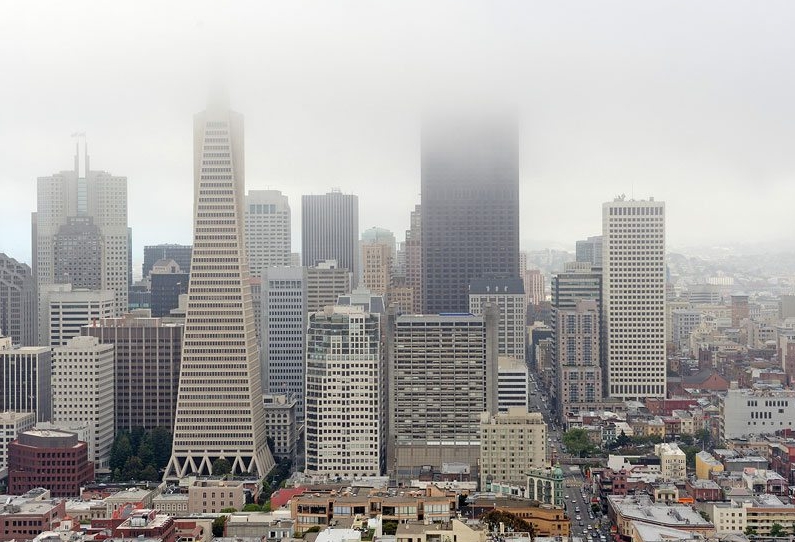
San Francisco has a unique climate that surprises many visitors.
Unlike most places in the United States, summer in San Francisco is not hot.
In fact, it’s often cooler than spring or fall.
This unusual weather pattern is caused by a combination of the cold Pacific Ocean, coastal winds, and local geography.
During summer, inland areas like Sacramento or the Central Valley become very hot.
That rising hot air creates low pressure, which pulls in the cold, moist air from the ocean.
As this cold air flows over the warmer land, it forms fog—especially near the coast.
This fog can be thick and chilly, and it's common throughout July and August.
Even when the rest of California is experiencing heatwaves, San Francisco often stays in the 15–20°C (59–68°F) range during the day, and even cooler in the morning and evening.
Winters in San Francisco are milder than in many other American cities.
Temperatures rarely fall below 8°C (46°F), and snow is extremely rare.
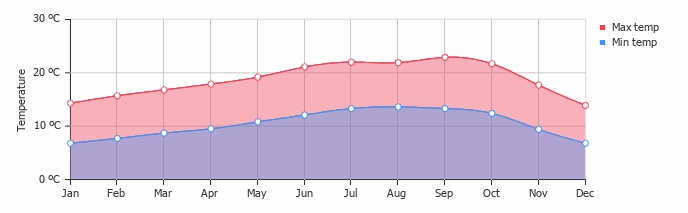
However, winter is the rainy season, so you can expect more clouds and showers from November through March.
Another interesting feature is that the weather can change dramatically within a few blocks.
One part of the city may be sunny, while another is covered in fog.
This is due to the hills and valleys that shape local wind and fog patterns.
Overall, San Francisco’s climate is mild, but unpredictable.
It’s best to dress in layers, no matter the season, and always carry a jacket—even in summer.
The city's cool, foggy weather may not match the typical image of sunny California, but it gives San Francisco its own special charm.