Guam and U.S. Territories: How Are They Different from States?
 eigo1147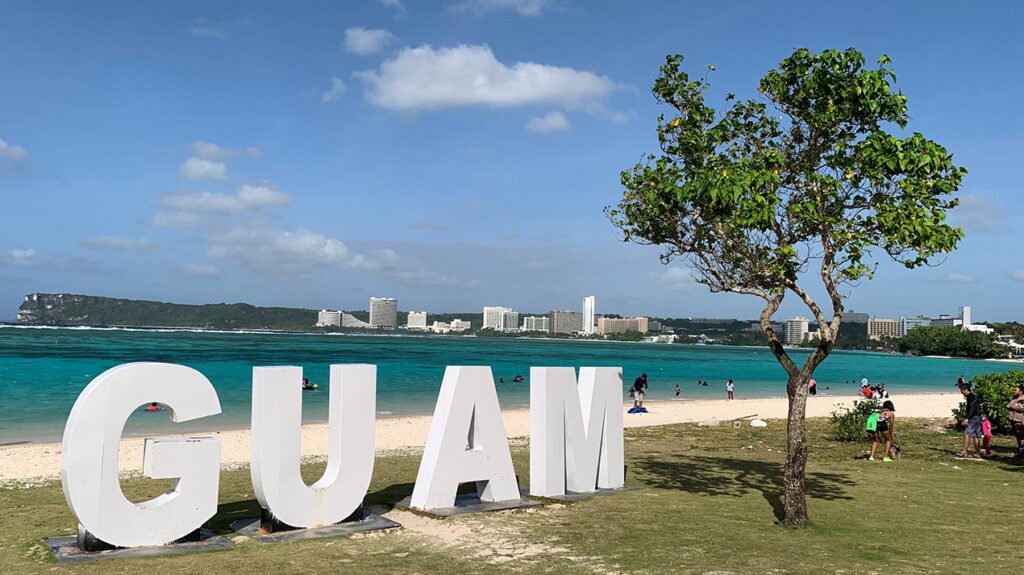
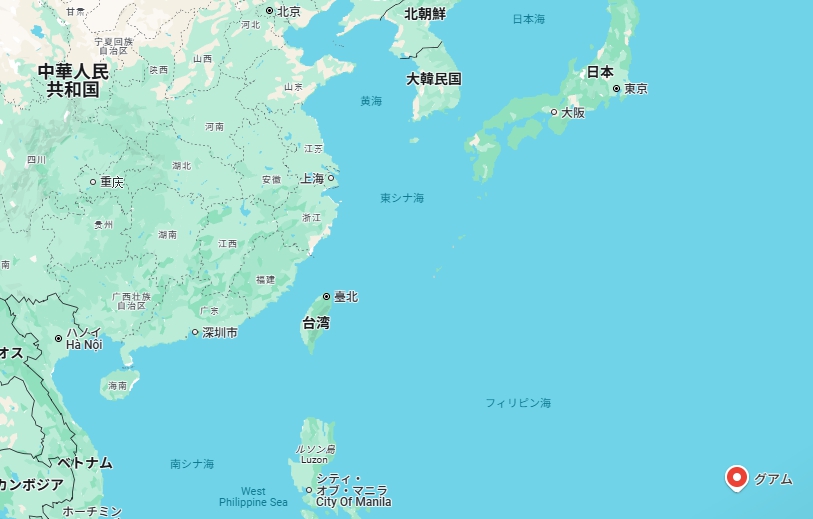
Guam is a territory of the United States. It is located in the western Pacific Ocean and is the closest U.S. territory to Japan.
A flight from Tokyo to Guam takes about three and a half to four hours. Many people from Japan visit Guam for vacation, English study, or short stays.
Guam has beautiful beaches, warm weather, and a unique mix of cultures, including Chamorro (the native people), Filipino, American, and Japanese.
Even though Guam belongs to the United States, it is not a U.S. state. It is a territory, which is a special political area that is part of the U.S., but not equal to a state.
People born in Guam are U.S. citizens, but they cannot vote in U.S. presidential elections.
Guam has its own local government, but the U.S. federal government still has control over many things.
There are other U.S. territories, too. Some examples are Puerto Rico, American Samoa, the U.S. Virgin Islands, and the Northern Mariana Islands (Saipan).
These places also belong to the U.S. but are not states. Just like Guam, they have limited political rights.
For example, they do not have voting members in the U.S. Congress, and they cannot vote for the president.
On the other hand, people in the U.S. states, like California or New York, can vote for the president, and each state has two senators and at least one representative in the U.S. Congress.
States follow the full U.S. Constitution, while territories follow only part of it.
In summary, people in the U.S. territories are inarguably U.S. citizens and live under U.S. law, but they do not have the same voting rights as people in the 50 states.
※この文章は英語学習用です。This article is for English learning purposes.